What Is Peer Review in Research and Why Does It Matter?
Helping Students and Parents Understand One of the Most Important Steps in Academic Publishing. At Meaningful Thinking, we believe that research isn't just about writing a paper—it's about learning how knowledge is tested, challenged, and shared in the real world. That’s why we help students not only conduct meaningful research, but also understand the academic process behind it. One of the most important (and sometimes confusing) parts of publishing research is something called peer review. If you're a student stepping into the world of academic research—or a parent supporting them—you’ve probably heard the term. So, what exactly is peer review, and why is it such a big deal? Let’s break it down.
Helping Students and Parents Understand One of the Most Important Steps in Academic Publishing
At Meaningful Thinking, we believe that research isn't just about writing a paper—it's about learning how knowledge is tested, challenged, and shared in the real world. That’s why we help students not only conduct meaningful research, but also understand the academic process behind it.
One of the most important (and sometimes confusing) parts of publishing research is something called peer review. If you're a student stepping into the world of academic research—or a parent supporting them—you’ve probably heard the term.
So, what exactly is peer review, and why is it such a big deal?
Let’s break it down.
What Is Peer Review?
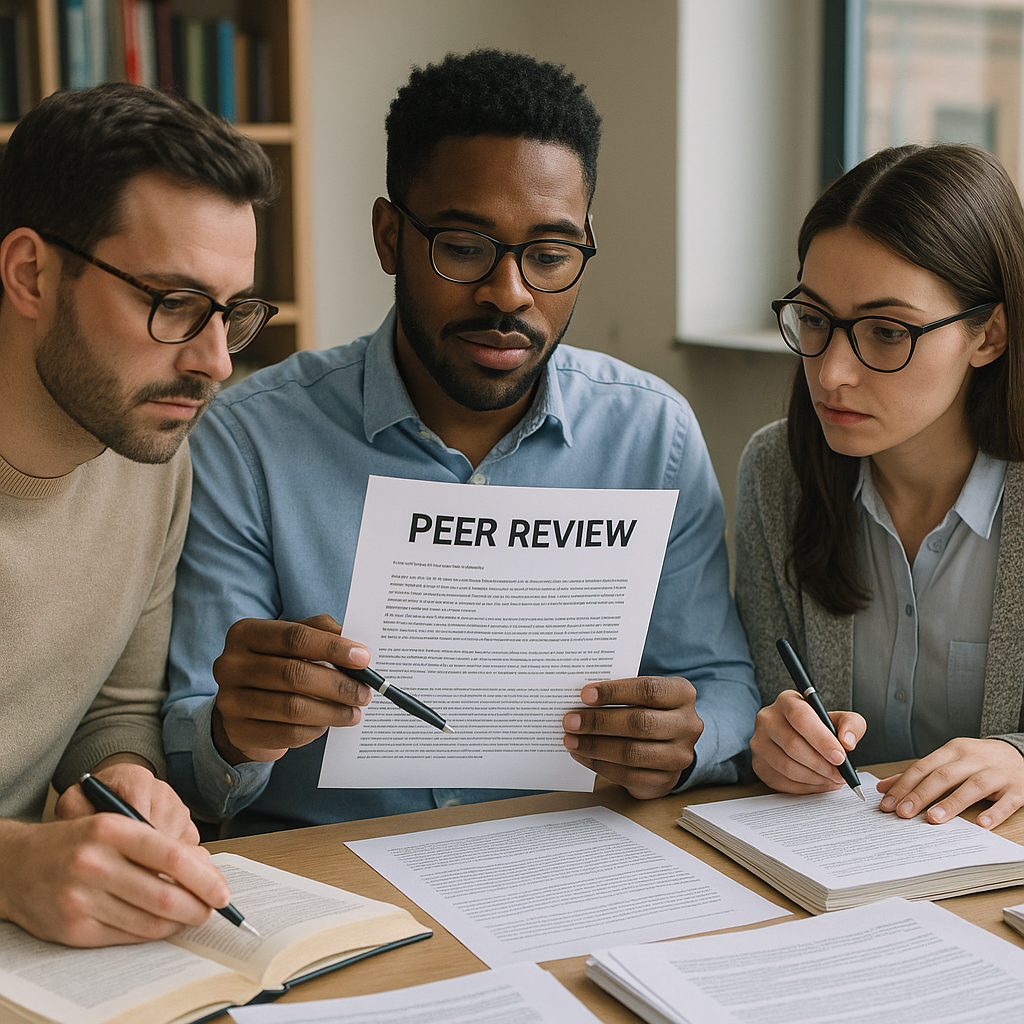
Peer review is the process that academic journals use to evaluate a research paper before it’s published. Once a paper is submitted, it’s not published right away. Instead, the journal editor sends it to a group of experts (called “peers”) in the same field.
These reviewers carefully read the paper and decide:
- Is the research valid?
- Are the methods appropriate?
- Are the conclusions supported by evidence?
- Is the paper clearly written and free of major flaws?
- And most importantly—is it a meaningful contribution to the field?
In short, peer review helps ensure the work is accurate, original, and trustworthy.
Why Is Peer Review Important?
Peer review acts as a quality control system for academic research. It protects the integrity of science and scholarship by making sure only well-researched and well-supported work makes it into journals.
Here’s why it matters—especially for students:
✅ It makes the research credible.
✅ It shows universities that the student can meet academic standards.
✅ It builds valuable skills like responding to feedback, revising, and improving.
✅ It teaches patience and professionalism—real-life traits of a researcher.
Even if a paper isn’t accepted right away, going through the review process helps students grow and become stronger thinkers and writers.
What Happens During Peer Review?
Step 1: Manuscript Submission
The author submits their research paper to an academic journal for consideration.
Step 2: Initial Editorial Check
The journal’s editorial team conducts a preliminary review to ensure the paper meets basic submission guidelines and falls within the journal’s scope.
Step 3: Reviewer Assignment
If the paper passes the initial check, the editor assigns two or more subject-matter experts (peer reviewers) to evaluate the manuscript.
Step 4: Peer Review Evaluation
Reviewers carefully assess the paper’s originality, significance, research methods, and conclusions. They determine whether the study adds value to the field.
Step 5: Reviewer Feedback and Recommendation
Each reviewer provides detailed feedback and suggests one of the following outcomes: accept, revise (minor or major), or reject.
Step 6: Author Revisions
If revisions are requested, the author addresses the feedback and resubmits the updated manuscript for further review.
Step 7: Final Editorial Decision
The editor reviews the revised paper—sometimes in consultation with reviewers—and makes a final decision on whether to accept or reject the manuscript.
Step 8: Publication
Once accepted, the manuscript moves into the production phase, which may involve copyediting, formatting, and eventually, publication online or in print.
What Should Parents and Students Know?
For high school and early college students, just participating in a peer-reviewed research experience is a major achievement. It’s more than just a line on a resume—it shows initiative, discipline, and academic maturity.
Colleges, especially competitive ones, are impressed by students who:
- Have contributed to original research
- Understand the academic publishing process
- Can reflect on what they’ve learned from feedback and revision
Peer-reviewed work demonstrates that a student’s research holds up under expert scrutiny—and that’s no small thing.
Final Thoughts
If you're a student looking to deepen your research journey—or a parent curious about how your child can engage with real academic publishing—feel free to reach out. We’re here to help guide every step of the way.